.png)
How Bulrushes Affect Pond Depth, Silt Build-Up, and Water Flow
- Aug 24, 2025
- 2 min read
Bulrushes are a common sight in UK ponds, lakes, and wetlands. While they provide some habitat value, their rapid spread can cause serious issues for water health and land management. When left unchecked, bulrush growth reduces pond depth, accelerates silt accumulation, and disrupts natural water flow.
In this article, we explore the problems associated with excessive bulrush growth and why regular management is essential.
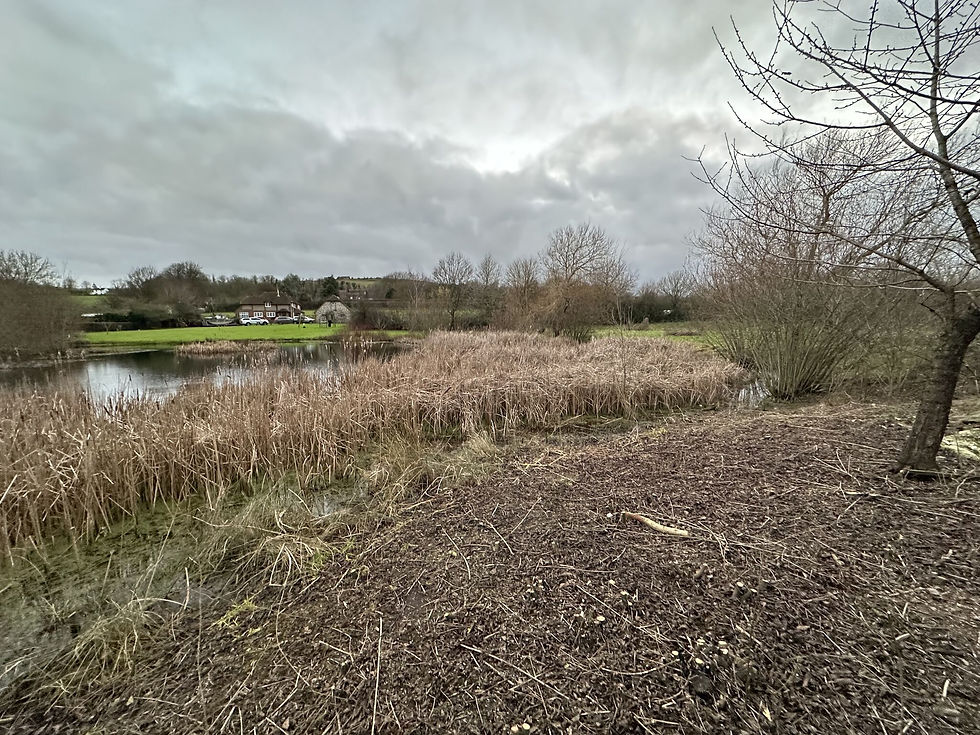
Effect on Pond Depth
Bulrushes grow thick rhizomes (root systems) that extend deep into the sediment. Over time:
Shallower water - Their roots displace sediment, reducing pond depth.
Loss of open water - Dense stands push further into the pond, leaving less clear water for fish and wildlife.
Costly dredging - Once pond depth is significantly reduced, expensive dredging may be required.
Effect on Silt Accumulation
Bulrushes don’t just take up space - they actively contribute to silt build-up:
Trapped sediment - Their stems and roots trap silt that would normally settle elsewhere.
Organic matter decay - Dead bulrush material sinks, breaking down and adding to the silt layer.
Accelerated filling - Over time, this speeds up the natural process of ponds becoming marshland.
Effect on Water Flow
Water movement is critical to the health of any pond or lake. Bulrushes interfere by:
Blocking inflows and outflows - Dense clumps restrict water exchange, increasing flood risk.
Reducing circulation - Stagnant areas form behind bulrush stands, lowering oxygen levels.
Altering flow patterns - Natural hydrology changes, which can damage banks and adjacent habitats.
Consequences for Wildlife and Landowners
Bulrush dominance doesn’t just affect water health - it creates wider problems:
Wildlife imbalance - Some species benefit from bulrush cover, but many lose habitat as diversity decreases.
Increased algae risk - With less water movement and more decaying matter, algae blooms are more likely.
Higher management costs - Delay in addressing bulrush growth often leads to more intensive and expensive work later.

Why Professional Bulrush Removal is Essential
Cutting bulrushes back at the surface rarely solves the issue. Their strong root systems allow rapid regrowth unless managed correctly. Professional removal targets both above- and below-water growth, ensuring long-term control while protecting the wider ecosystem.
Simply Aquatic provides specialist bulrush removal for landowners, estates, and fisheries across the UK. Our work restores open water, improves flow, and reduces the long-term risks associated with unmanaged bulrush growth.
Conclusion
Bulrushes may look harmless, but when they spread unchecked, they cause lasting problems for ponds and lakes. From reducing depth to blocking water flow and accelerating siltation, their impact is significant. Effective bulrush management helps restore balance, improves water health, and protects the value of your water asset.
Reeds can be just as problematic—discover how reed growth impacts fish stocks, wildlife, and water quality.
If bulrush growth is threatening your pond or lake, contact Simply Aquatic today for professional clearance and long-term management solutions.


