(Case Study) Lake Restoration – Silt Removal & Aquatic Vegetation Clearance
Restoring a heavily silted lake with extremely low water levels.
Simply Aquatic recently completed a lake restoration project involving the removal of significant quantities of accumulated silt and overgrown aquatic vegetation from a lake that was becoming increasingly shallow and beginning to dry out.
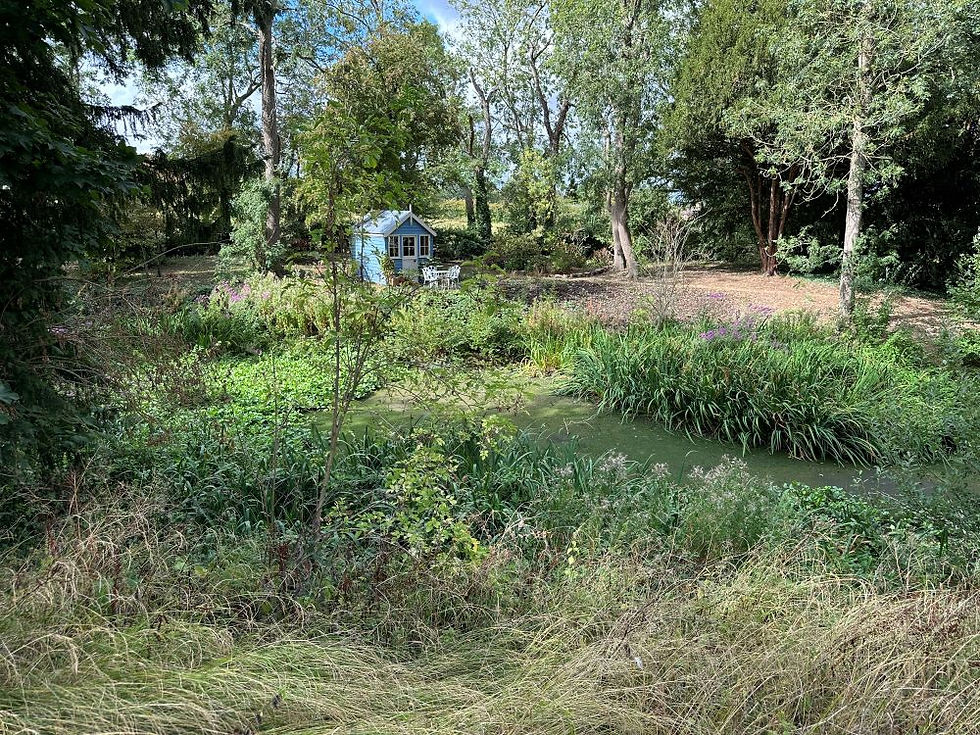
With water depths reduced to approximately 30cm in some areas and approximately 70cm of silt the lake had become heavily congested with vegetation and sediment, significantly reducing its usable water depth.
The Challenge – A Lake Becoming Increasingly Shallow
Over time, lakes and ponds naturally accumulate silt, organic matter and decaying vegetation. Without appropriate maintenance, this build-up can gradually reduce water depth and encourage further vegetation growth.
At this particular lake, substantial silt deposits and established aquatic vegetation had significantly reduced the available open water.
Combined with low water levels, the lake was at risk of becoming increasingly overgrown and starting to dry up.
The project required extensive silt removal alongside vegetation clearance to help restore the lake's depth and improve its overall condition.
These works are part of a staged approach to allow the waterbody to settle and adjust before returning.

Before Picture

After Picture
Our Solution – Mechanical Lake Desilting & Vegetation Removal
Our team carried out a programme of mechanical lake desilting and aquatic vegetation clearance, removing large quantities of accumulated sediment and unwanted vegetation.
The works focused on:
Silt removal: Excavating accumulated sediment to recover lost water depth.
Aquatic vegetation clearance: Removing excessive vegetation that had established throughout the shallow areas.
Lake restoration: Reclaiming areas of open water previously occupied by silt and vegetation.
Long-term management: Reducing the accumulation of organic material and improving the lake's condition for future maintenance.
By combining silt removal with vegetation clearance, we were able to address two of the main factors contributing to the lake's deteriorating condition.
Previous attempts from elsewhere had been made to remove the accumulated silt using a Truxor-mounted pumping system. However, this approach had not achieved the required level of silt removal, leaving substantial deposits within the lake.
Given the volume and nature of the remaining material, a mechanical desilting approach was selected to physically excavate and remove the accumulated sediment alongside the established aquatic vegetation.

The Results – Restoring Lost Lake Depth
The completed works removed substantial quantities of silt and vegetation, helping to recover lost depth and restore areas of open water.
With much of the accumulated material removed, the lake is now in a significantly better condition, with improved capacity to retain water as levels recover.
Although desilting cannot prevent water loss caused by prolonged dry weather, groundwater conditions or other external factors, removing accumulated sediment can recover valuable water storage capacity and help prevent a lake from gradually becoming overgrown.


Is Your Lake Becoming Shallow or Overgrown?
Across the UK, many private lakes, fisheries and estate ponds are experiencing problems with accumulated silt, excessive aquatic vegetation and declining water depths.
At Simply Aquatic, we specialise in lake desilting, aquatic weed removal, reed clearance and pond restoration, using specialist equipment to undertake projects of varying sizes.
If your lake is becoming increasingly shallow, overgrown or struggling with excessive silt accumulation, our team can assess the most suitable approach to restoring it.